
Apple’s iPhone lineup has grown more complicated over the years, with multiple models targeting different kinds of buyers. Some prioritize camera performance and display quality while others focus on design or price, and not everyone needs the most powerful option on the shelf. If you’re planning an upgrade, the challenge isn’t whether Apple makes a good phone; it’s figuring out which iPhone actually makes sense for you based on how you use it.
We test every new iPhone Apple releases, comparing performance, cameras, battery life and long-term value. In this guide, we break down the current lineup to highlight the best iPhones for different needs, from the best all-around picks to more specialized options that trade raw power for affordability or style.
For consistency, our recommendations are based on Apple’s standard pricing for unlocked models sold directly through Apple. Deals from carriers, third-party retailers or refurbished sellers can shift the value math, but this guide is meant to help you choose the right model first — then decide where to buy it.
Quick Overview
Best iPhones for 2026
Billy Steele for Engadget
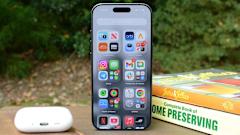
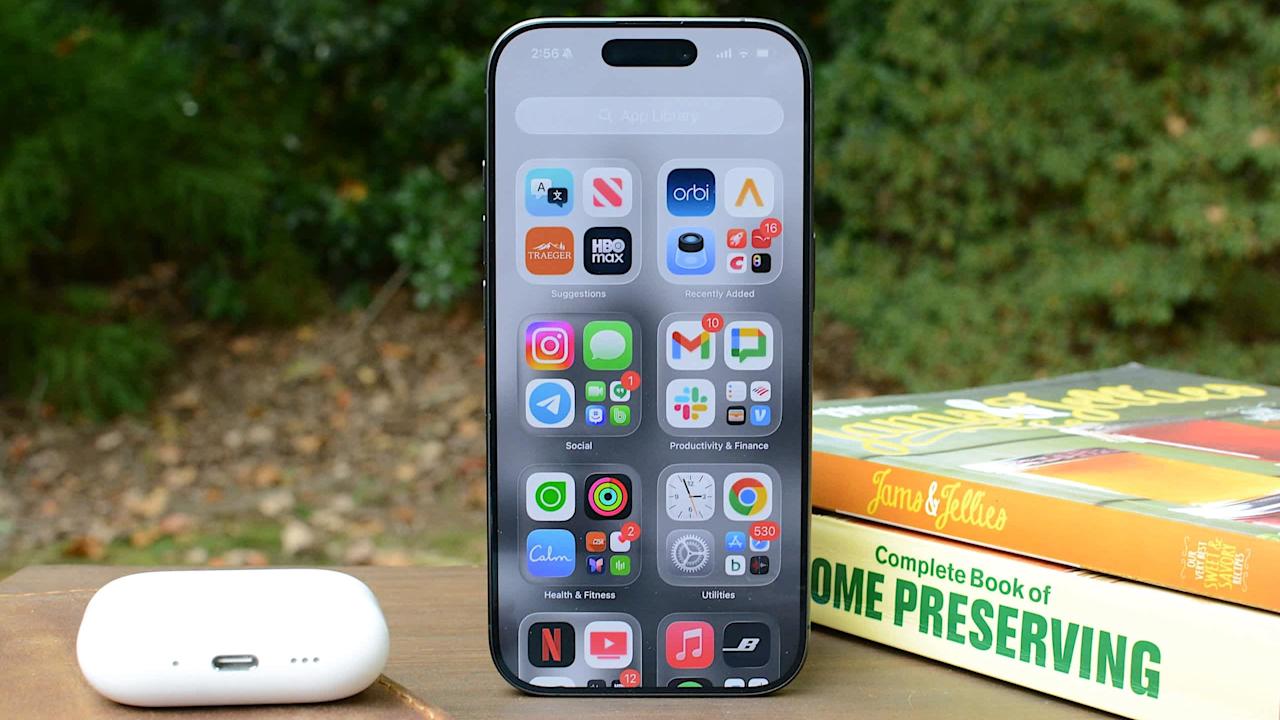
Original release date: September 19, 2025 | Storage capacity: 256GB, 512GB | Screen size: 6.3 inches | Features: A19 chip, Always-on 120Hz ProMotion display, Aluminum frame, USB-C port (USB 2), Camera Control button, Action button, 25W MagSafe charging, Apple Intelligence | Cameras: 48MP wide, 48MP ultrawide, 18MP Center Stage front | Color options: Lavender, Sage, Mist Blue, White, Black | Dimensions: 5.89 x 2.81 x 0.31 inches | Weight: 6.24 ounces
Read our full iPhone 17 review
The iPhone 17 is the most significant upgrade to Apple’s “regular” iPhone in years. While there are certainly still reasons to pay extra for an iPhone 17 Pro or Pro Max, very few of those still feel essential for the average person. For most, the base model now covers all the necessary bases for $300 or $400 less. Yes, Apple (Apple!) has made a smartphone that’s a genuinely strong value for money in 2026.
Most of our enthusiasm stems from the new 6.3-inch display. It’s a little bigger than the iPhone 16’s 6.1-inch panel, and with a maximum brightness of 3,000 nits, it should be easier to read outdoors. (The previous model topped out at 2,000 nits.) Most importantly, it’s a “ProMotion” display, which means its maximum refresh rate has (finally) jumped from 60Hz to a faster 120Hz. That might sound dorky to highlight, but it makes scrolling web pages, playing games and simply interacting with iOS feel smoother and more responsive. Once you see the difference — and you will — it’s difficult to ever go back.
The refresh rate is also adaptive, so it can dip down to 1Hz to save power when the phone is idle, and since this is an always-on display, it can show notifications on the lock screen without forcing you to physically touch your device. We’ve dinged Apple in the past for relegating these sorts of features to its Pro series — especially since cheaper Android phones have had them for years — but that’s in the past now, and the iPhone 17 feels far less dated as a result.
The cameras are better, too. The front cam has gone from a 12-megapixel sensor to a crisper 18MP one, while an updated “Center Stage” feature lets you take landscape-oriented selfies without having to turn your phone sideways and keeps you centered in frame during video calls. On the back, the ultrawide camera is now 48MP instead of 12MP, which can help make textures look a bit sharper in different lighting conditions. You can now shoot video from the front and rear cameras simultaneously as well. While camera performance is still the main area where the Pro phones pull ahead, this is still a great point-and-shoot setup for the quick pics most people want to take with a phone.
The iPhone 17 starts at the same $799 as the iPhone 16, but it comes with 256GB of storage by default — twice as much as before. It has a new A19 chip, which doesn’t bring a massive leap in real-world performance but should keep the phone snappy for years to come. Apple rates the battery for up to 30 hours of video playback, an eight-hour jump over its predecessor. That’s probably an optimistic reading, but either way, we had no issues getting the new model to last through a typical work day, and it’s not far off the iPhone 17 Pro’s 33-hour estimate. It supports faster 25W wireless charging, up from 22W, and with the right wired charger Apple says it can refill 50 percent battery in 20 minutes instead of 30. The updated “Ceramic Shield 2” glass on the front is slightly more scratch-resistant as well.
All of this comes in a design that’s still handsome, sturdy and well-proportioned, with an aluminum frame, the useful-enough Camera Control and Action buttons and a selection of tasteful color choices. It may look more boring than the 17 Pro or the iPhone Air, but the former’s upgrades are mainly for power users at this point, while the latter is worse in demonstrable ways despite costing $200 more. We wouldn’t say you have to upgrade if you own an iPhone 16, but for the first time in a while, it won’t feel like a waste if you do feel like switching just one year later.
- Excellent 120Hz display
- Center Stage front camera
- Dual 48MP rear cameras take sharp photos
- 256GB base storage
- Good value
- No Plus model for those who want a bigger display
- Best camera performance is still reserved for 17 Pro
Sam Rutherford for Engadget
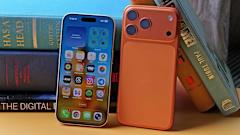
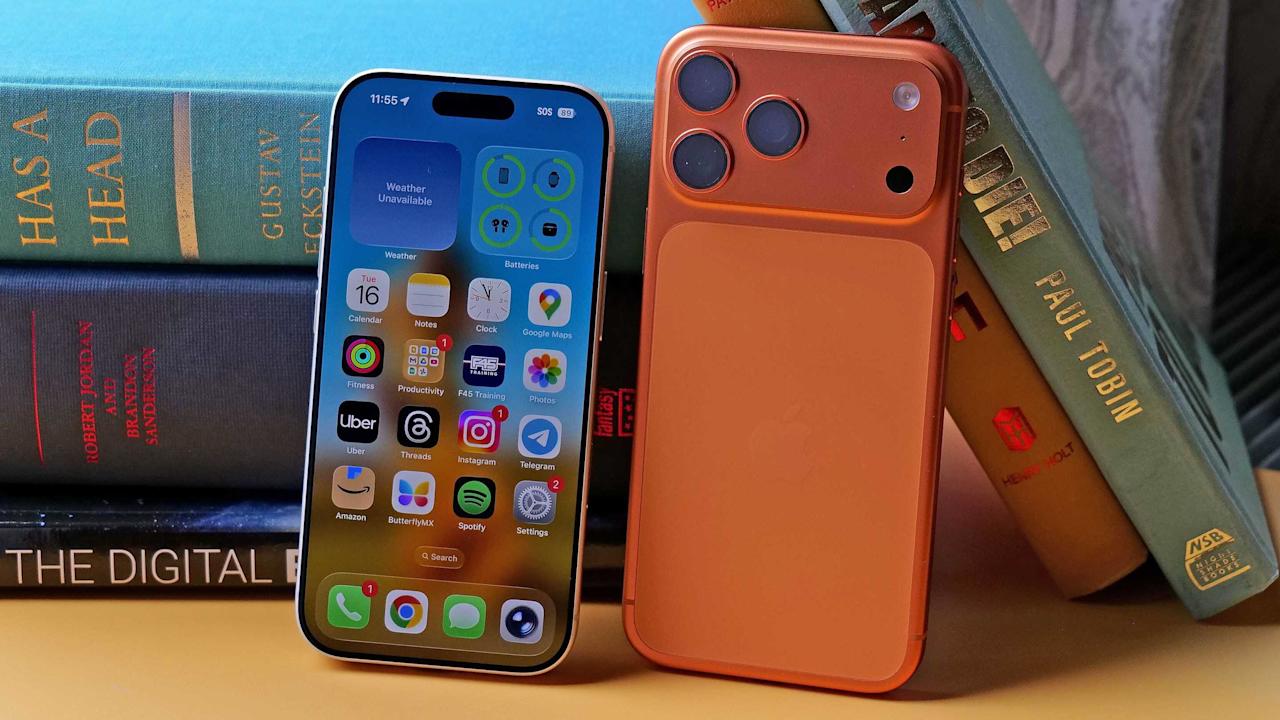
Original release date: September 19, 2025 | Storage capacity: 256GB, 512GB, 1TB, 2TB (Pro Max only) | Screen size: 6.3 inches (Pro), 6.9 inches (Pro Max) | Features: A19 Pro chip, Always-on 120Hz ProMotion display, Aluminum unibody, Ceramic Shield back, USB-C port (USB 3), Camera Control button, Action button, 25W MagSafe charging, Apple Intelligence | Cameras: 48MP wide, 48MP ultrawide, 48MP telephoto, 18MP Center Stage front | Color options: Cosmic Orange, Deep Blue, Silver | Dimensions: 5.91 x 2.83 x 0.34 inches (Pro), 6.43 x 3.07 x 0.34 inches (Pro Max) | Weight: 7.27 ounces (Pro), 8.22 ounces (Pro Max)
Read our full iPhone 17 Pro and iPhone 17 Pro Max review
If you’ve got a little more money to play with, the 6.3-inch iPhone 17 Pro and 6.9-inch iPhone 17 Pro Max are Apple’s “kitchen sink” smartphones — the ones with all the best tech the company can stuff into a pocket-sized computer, value be damned.
Compared to the standard iPhone 17, the main upgrades here are in the camera and battery departments. While the base model also has 48MP main and ultrawide cameras, the Pro phones are the only ones with a dedicated telephoto lens, which makes them much more capable for zoom photography. With the 17 Pro and Pro Max, it’s a 48MP lens with 4x optical zoom and optical-like quality at up to 8x. The Pro’s main camera also has a larger sensor, so it’s superior in low-light environments, and it supports a few enthusiast features like the ability to shoot in ProRAW or record 4K Dolby Vision video up to 120 frames per second.
Most people will still be more than happy with the regular iPhone 17’s dual-camera system, but the Pros’ setup is just better if you use your phone cameras with more intent. If you’re mainly interested in selfies and FaceTime calls, however, note that the 18MP “Center Stage” front camera here isn’t much different from the one on the base model.
When it comes to battery life, Apple says the 17 Pro delivers up to 33 hours of video playback while the 17 Pro Max can reach a hefty 39 hours. Those ratings won’t be entirely accurate in the real world, but if our testing is any indication, you should be able to get a day and change out of the 17 Pro and closer to two days out of the Pro Max.
The bigger batteries make the Pro phones slightly thicker and noticeably heavier than the standard model, but their designs feel appropriately high-end. Whether they look great is a little more contentious: Apple has opted for a two-tone motif that plants a sturdy “Ceramic Shield” glass back within an aluminum chassis, with a pronounced “plateau” that houses the camera module and much of the phone’s internal components on top. Personally, I think it’s a bit much, but what I find busy, plenty others find fun. Either way, it stands out.
Less debatable is how well these phones perform. The A19 Pro chip powering the two is overkill for the basics but exceptionally powerful for gaming and more involved tasks. A vapor chamber cooling system, along with the aluminum design, helps keep the devices from getting hot as quickly as past Pro models. There are other little perks too, from support for faster data transfers to higher-quality mics to a 2TB storage option for the Pro Max.
The downside is still the price: The iPhone 17 Pro starts at $1,099, while the 17 Pro Max costs $100 more. It’s hard to call either device a great value when the standard model offers a similar display, an arguably cleaner design, the same base storage, perfectly solid cameras and still-strong battery life for a lower price. But if you want the best of the best, the Pros are it. As for which one is better, that’s entirely down to preference: Outside of screen size, battery life and pricing, the Pro and Pro Max are functionally identical.
- Long-lasting battery
- Powerful performance with improved thermals
- Great and versatile triple-camera system
- Excellent 120Hz display
- Aluminum unibody feels sturdy and scratch resistant
- Most expensive iPhone
- Two-tone design isn’t for everyone
- Pro Max is especially hefty
Brian Oh for Engadget
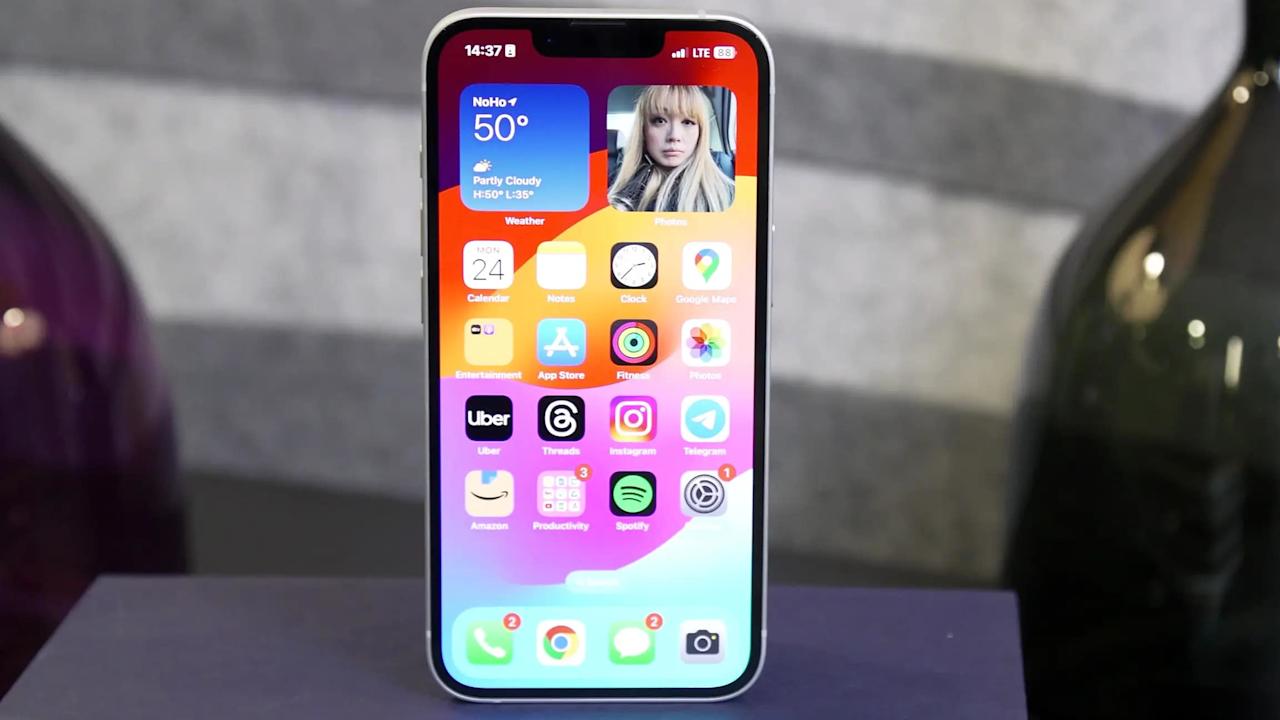
Original release date: February 28, 2025 | Storage capacity: 128GB, 256GB, 512GB | Screen size: 6.1 inches | Features: A18 chip (4-core GPU), 60Hz display, Aluminum frame, USB-C port (USB 2), Action button, 7.5W Qi wireless charging, Apple Intelligence | Cameras: 48MP rear, 12MP front | Color options: White, Black | Dimensions: 5.78 x 2.82 x 0.31 inches | Weight: 5.88 ounces
Read our full iPhone 16e review
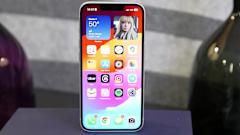
Here’s the reality: There’s no such thing as a true budget iPhone in 2026. The $429 iPhone SE was the closest thing Apple had to a value-oriented model coming into the year, but it was officially discontinued in February, and its severely outdated design made it difficult to recommend long before that. The Phone 16e is the SE’s ostensible replacement, but it costs $599, well above what anyone could call “affordable” when there are so many genuinely decent Android phones that sell for hundreds of dollars less.
So when we recommend the iPhone 16e in this spot, think of it less like a budget pick and more like “the cheapest competent iPhone you can reliably buy.” It’s easy to see how it could be better, but it still gets you most of what makes the iPhone experience worthwhile.
It looks and feels much more substantial than the old iPhone SE, with a larger and more vivid 6.1-inch OLED display, cleaner lines and flat aluminum edges. Its A18 chip is nearly the same as the one in 2024’s iPhone 16, just with one fewer GPU core; either way, it’s powerful enough to run Apple Intelligence and most games fine. Its battery life is decent, with a video playback rating of 26 hours, though it’s a bit behind each model in the iPhone 17 family. It has a USB-C port, Face ID and the programmable Action button. Most importantly, it’s the least expensive route into iMessage, Apple Pay, FaceTime, AirPlay and all the other iOS perks locked in Apple’s walled garden, for better or worse.
That said, the iPhone 17 still brings meaningful upgrades for $200 more. It has a better camera setup, for one, with a second, 48MP ultrawide lens and a larger main sensor with better image stabilization. The 16e’s single-camera system is still perfectly fine for most situations, but night shots look softer, portraits are a bit blurrier and there’s no macro mode.
Annoyingly, the iPhone 16e also lacks MagSafe, locking it out of a host of useful accessories, and it’s limited to slow 7.5W wireless charging. There’s no ultra-wideband chip to more precisely locate AirTags, and the standard iPhone 17’s display is now a marked improvement thanks to its 120Hz refresh rate, higher peak brightness and always-on functionality. That screen also has the Dynamic Island, which makes it easier to check timers, Uber ETAs, sports scores and the like at a glance. The 16e, by comparison, has the static “notch” from older iPhones. The 17 is also available in more colors, whereas the 16e only comes in a more basic black or white. And it starts with half the storage space.
In many ways, the iPhone 16e feels like it was designed backwards to make the base model look like a better value. Nevertheless, if you can stretch your budget to get the iPhone 17, it’s worth doing so.
Really, bargain hunters should look to the refurbished market for discounts on older iPhones first. If you can find an iPhone 16 (or even an iPhone 15) from a reputable seller for $100+ less than the 16e, that’d be ideal, since those include many of the 16e’s missing features (120Hz display aside) and anything older won’t have a USB-C port. If you see an iPhone 16 Pro or iPhone 15 Pro around the same price or less, it’s no contest — those are better than the 16e pretty much across the board.
But even a refurbished 15 is unlikely to be that cheap, and older iPhones are more likely to lose update support sooner. Still, that might not matter so much if you just want an Apple phone for basic iOS things and can find an acceptable price-to-storage ratio. Taking advantage of trade-in deals or, to a lesser extent, monthly installment plans that lower upfront costs seems especially prudent these days as well.
As it stands now, the lack of a competitive budget model in the iPhone lineup is disappointing, and it appears that won’t change anytime soon. Apple will be Apple. But if you just want to walk into an Apple store and buy an iPhone that works, the 16e is fine enough, even if it’s not a slam-dunk value.
- Solid performance
- Long battery life
- Clean, durable design
- Bright, vibrant OLED display
- 60Hz display
- Only one rear camera
- No MagSafe and slow wireless charging
- Expensive compared to previous iPhone SE
Sam Rutherford for Engadget
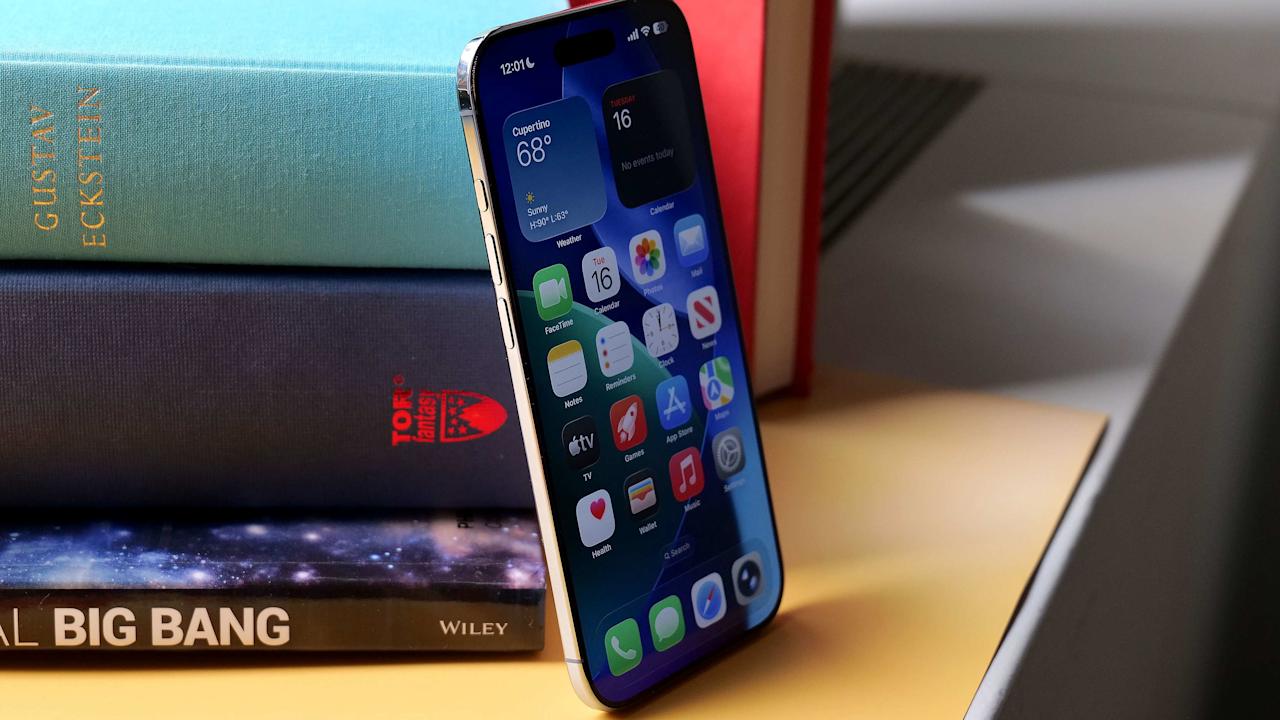
Original release date: September 19, 2025 | Storage capacity: 256GB, 512GB, 1TB | Screen size: 6.5 inches | Features: A19 Pro chip (5-core GPU), Always-on 120Hz ProMotion display, Titanium frame, Ceramic Shield back, USB-C port (USB 2), Camera Control button, Action button, 20W MagSafe charging, Apple Intelligence | Cameras: 48MP wide, 18MP Center Stage front | Color options: Sky Blue, Light Gold, Cloud White, Space Black | Dimensions: 6.15 x 2.94 x 0.22 inches | Weight: 5.82 ounces
Read our full iPhone Air review
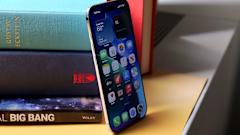
You can learn a great deal about a smartphone on paper. And on paper, there isn’t much of a reason to buy the iPhone Air — the new ultra-thin iPhone that takes the spot of the old “Plus” model in Apple’s lineup — over the iPhone 17 or iPhone 17 Pro. It’s a $999 phone with a single rear camera and no telephoto or ultrawide lens. It doesn’t have stereo speakers. Its battery life isn’t as disastrous as first feared — we got it to last through a day of real-world use — but it’s still shorter than that of the base model. Its wireless and wired charging speeds are slower. Few of these aspects are outright bad, but it’s the principle: You’re paying more for a device that’s indisputably worse in important ways.
But then you hold it, and those issues may just fade into the background. The Air is so thin, and so wonderfully light, that it feels like holding a display itself as much as an actual phone. Yes, the pill-shaped camera bump on the back negates some of the thinness (and can run a little warm), but this is a beautifully understated device, with smooth rounded corners and a polished, remarkably sturdy titanium frame. It’s a device for design geeks, the kind that swoon over a Leica camera or Dyson vacuum, or anyone who’s just grown bored with iPhones as a concept. It’s not about “value,” it’s about owning something that delights you whenever you pick it up.
It helps that the iPhone Air isn’t totally gimped on the spec sheet. It runs on a version of the super-fast A19 Pro chip seen in the iPhone 17 Pro, while its 6.5-inch display is always-on and supports 120Hz refresh rates. It has the same upgraded selfie cam as the other new iPhones as well. It’s still for early adopters first and foremost, and it may just be a precursor for a foldable iPhone in the years ahead. It costs too much for us to recommend widely — but we can totally understand why you might want to buy the iPhone Air anyway. If you can live with the sacrifices, go for it. Just don’t be surprised if you want to upgrade again next year.
- Exquisitely thin and light design
- Excellent 120Hz display
- Battery life isn’t nearly as bad as slim size suggests
- Strong titanium frame
- Mono speaker
- Single rear camera
- Battery life is still worse than cheaper iPhone 17
- No mmWave 5G support
The rest of Apple’s iPhone lineup in 2026
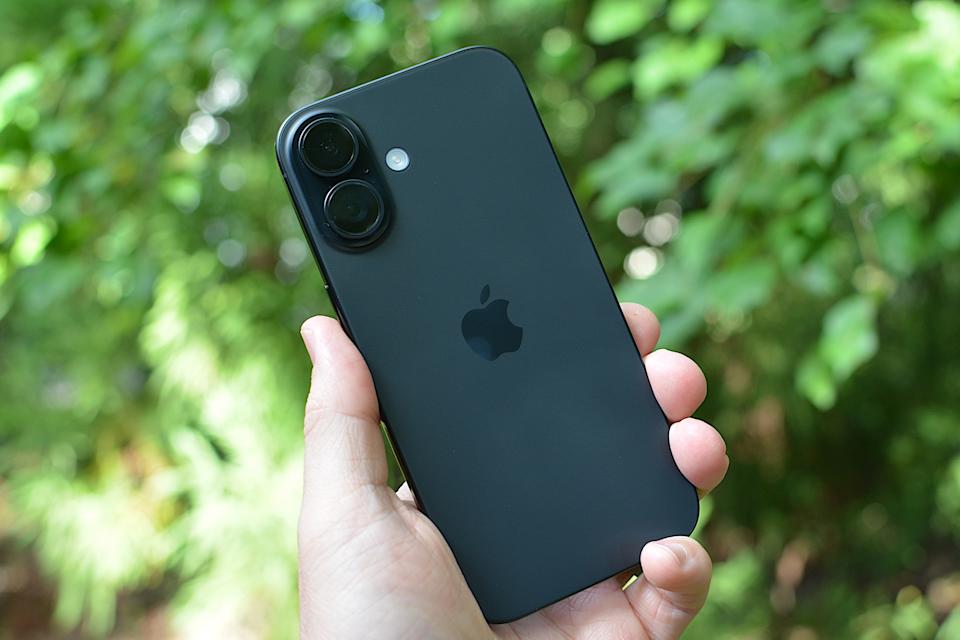
The iPhone 16. (Billy Steele for Engadget)
Apple iPhone 16 and iPhone 16 Plus
Apple is still selling the last-gen iPhone 16 and iPhone 16 Plus for $699 and $799, respectively, but the improvements made with the iPhone 17 have forced both devices into something of a no man’s land. The 16 Plus and its 6.7-inch display might be worth it if you want a large-screen iPhone for a much lower price than the iPhone 17 Pro Max, but you’ll miss out on the base model’s 120Hz always-on display and upgraded dual-camera setup. If you just want a usable iPhone for as little as possible, meanwhile, the iPhone 16e is acceptable for $100 less. In general, we think the iPhone 17 is worth the extra $100; its 6.3-inch display helps it split the difference between the 16 and 16 Plus anyway.
iPhone FAQs
Brian Oh for Engadget
When is the best time of year to buy an iPhone?
The best time to buy an iPhone, or really any product, is whenever you need one. But if you want to maximize how long your iPhone is considered “current,” plan to upgrade in late September. Apple almost always introduces its new core models around then. SE and “e” iPhones, meanwhile, have arrived between February and April, but those aren’t guaranteed annual releases.
Advertisement
Advertisement
Cash discounts on new unlocked iPhones are rare, so there usually isn’t much reason to wait for a deal before buying (as is often the case with Samsung or Google phones). Carriers will run their own sales, but those typically involve locking you into years-long service plans. The exception would be if you specifically want an older iPhone, since Apple typically cuts the price of its last-gen devices by $100 or more when it introduces a new model. So, for instance, if you know you won’t care about the inevitable iPhone 17’s upgrades, you could wait until that device is announced and get the iPhone 16 for a little cheaper.
How long does an iPhone last?
This depends on the person and how they define “last.” If we had to give a broad estimate, we’d say most iPhone users keep their device between two and four years. If you’re particularly sensitive to performance and camera improvements, you might want to upgrade on the earlier side of that timeline. If you’re not as picky, you could hold out for even longer — though you’ll likely want to get a battery replacement sometime around the three- or four-year mark (or whenever you notice your battery life has severely degraded).
Software support shouldn’t be a problem regardless: Apple is renowned for keeping its devices up-to-date long-term, and the current iOS 26 update is available on iPhones dating back to 2019. Most of those older phones don’t support Apple Intelligence, so there isn’t total parity, but that’s not a big loss in the grand scheme of things.
How do I know how old my iPhone is?
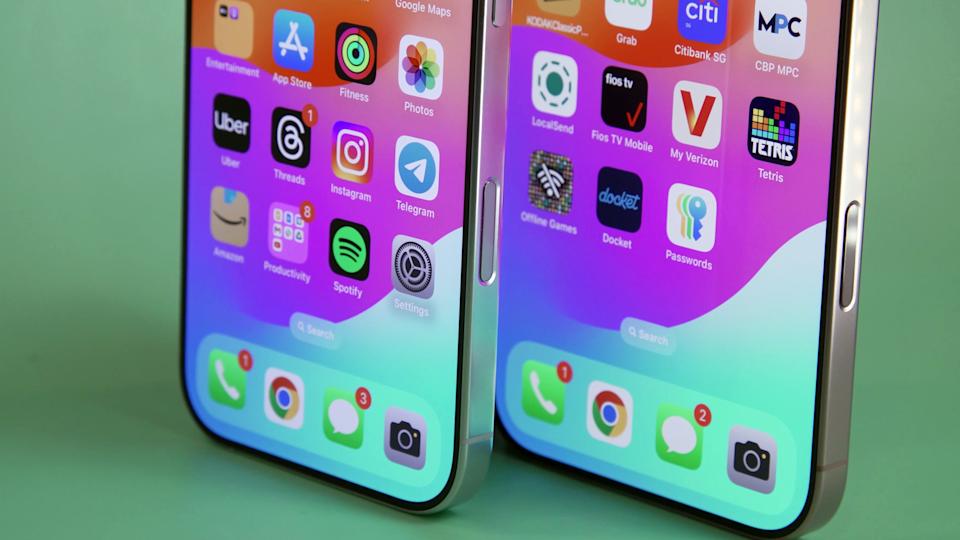
Go to your iPhone’s Settings, then tap General > About. You should see the Model Name right near the top. You can also tap the Model Number below that, then verify the resulting four-digit code on Apple’s identification page to further confirm.
Advertisement
Advertisement
If you don’t want to use software, for whatever reason, you can also find your iPhone’s model number printed within its USB-C or Lightning port, if the device lacks a SIM tray. For older devices, you can alternatively find that number within the SIM slot or — if you’re still hanging onto an iPhone 7 or older — right on the back of the handset.
Recent updates
September 2025: We’ve overhauled this guide to reflect the release of the new iPhone Air and iPhone 17 series. The base iPhone 17 is our new top pick for most people, while the iPhone 17 Pro and Pro Max represent the best iPhones you can buy if money is no object. The iPhone Air is worth considering if you care about style above all else, while the iPhone 16e remains acceptable if you want the most affordable new iPhone possible.
August 2025: We’ve taken another pass to ensure our advice is still up-to-date and noted that we expect to Apple to launch new phones soon in September.
June 2025: We’ve lightly edited this guide for clarity and added a few common FAQs. Our picks remain unchanged.
Advertisement
Advertisement
February 2025: The new iPhone 16e replaces the iPhone 15 and iPhone 15 Plus as our “budget” pick. We’ve also removed our notes on the iPhone 14, iPhone 14 Plus, and iPhone SE (3rd generation), as each has been formally discontinued.
January 2025: We’ve made a few minor edits for clarity and ensured our recommendations are still up to date.
December 2024: We’ve made a few edits to reflect the release of Apple Intelligence, though our picks remain the same.